


Office Furniture and Productivity: Create a Workspace That Works
Key Takeaways
-
Ergonomic office furniture—including height-adjustable desks, supportive chairs, and smart storage—directly affects your posture, focus, and productivity across a full workday
-
Combining functional pieces like mobile filing cabinets and sit-stand desks with stylish elements such as walnut finishes and warm wood bookcases creates a workspace that performs and inspires
-
Planning purchases around delivery timelines helps you avoid stock shortages and last-minute compromises
-
Hybrid and remote work in 2025 demands furniture that adapts to video calls, shared desks, and changing schedules without sacrificing comfort
-
The FAQ section below answers common questions about budgets, small-space solutions, and shared workspace challenges not fully covered in the main sections
Office Furniture and Modern Workspaces
The office furniture you choose shapes how you feel, focus, and perform throughout your workday. Whether you’re working from a dedicated home office or a corporate floor, the right layout and pieces influence everything from your posture to your energy levels and overall efficiency.
Modern offices in 2025 blend remote and in-person work in ways that demand furniture ready to adapt. You might take video calls from your bedroom corner in the morning and hot-desk at a shared workspace by afternoon. This hybrid reality requires pieces that support quick transitions, accommodate technology, and maintain comfort across varied schedules.
This article walks through the core categories of office furniture you need to consider:
-
Desks and work surfaces for different room sizes and workflows
-
Ergonomic chairs that support long hours without strain
-
Storage solutions including filing cabinets, bookcases, and shelving
-
Décor and accessories that complete your atmosphere
-
Deals, availability, and planning to help you buy smart
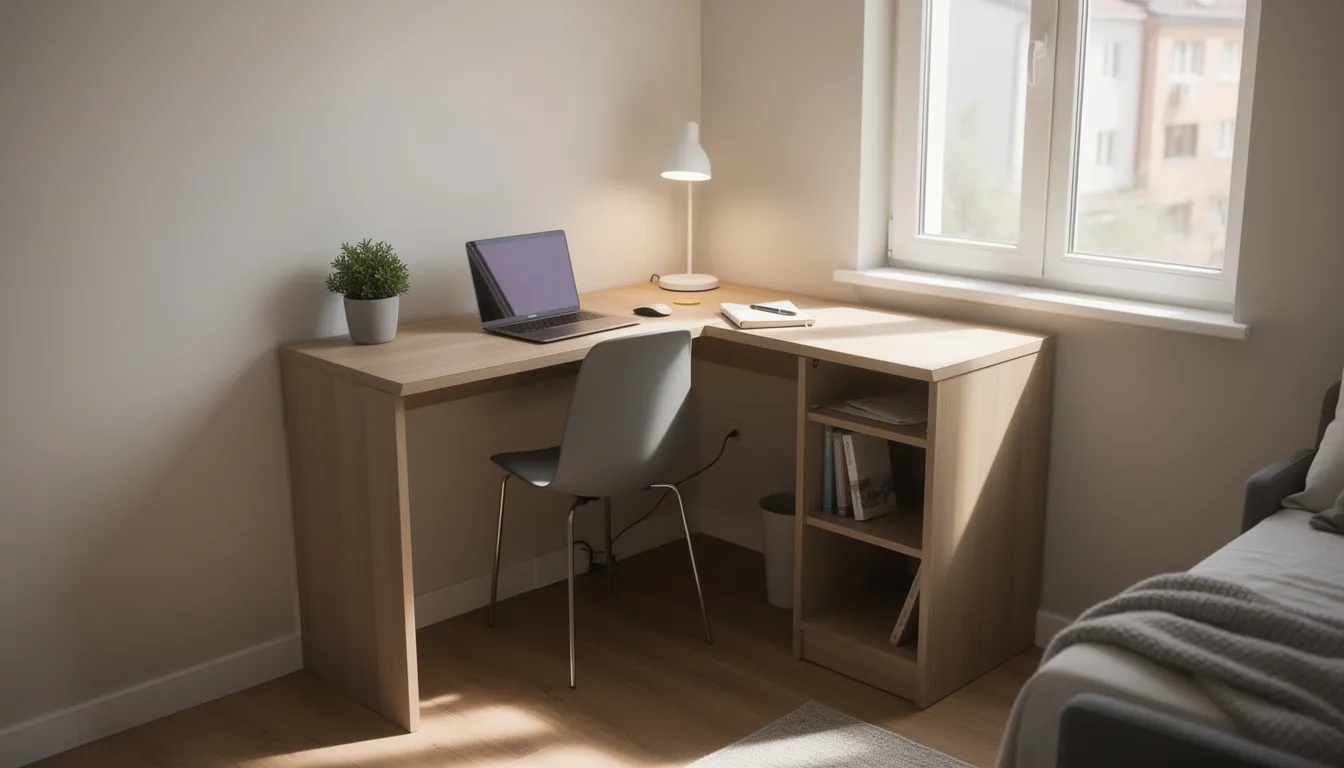
Consider a small condo office in Toronto or Vancouver where space comes at a premium. A compact L-shaped desk tucked into a corner, paired with a slim chair and wall-mounted shelving, can transform a tight room into a fully functional workspace without overwhelming your living area.
If you are planning a larger workplace update, our commercial office furniture buying guide walks through seating, workstations, meeting rooms, storage, budgeting, and project planning in one place.
Office Furniture and Ergonomics
Ergonomics is the science of designing furniture and tools to fit the human body, reducing strain and supporting natural movement. When you spend six to nine hours a day at a desk, the ergonomic quality of your setup determines whether you finish the workday feeling focused or fatigued.
Why Ergonomic Chairs Matter
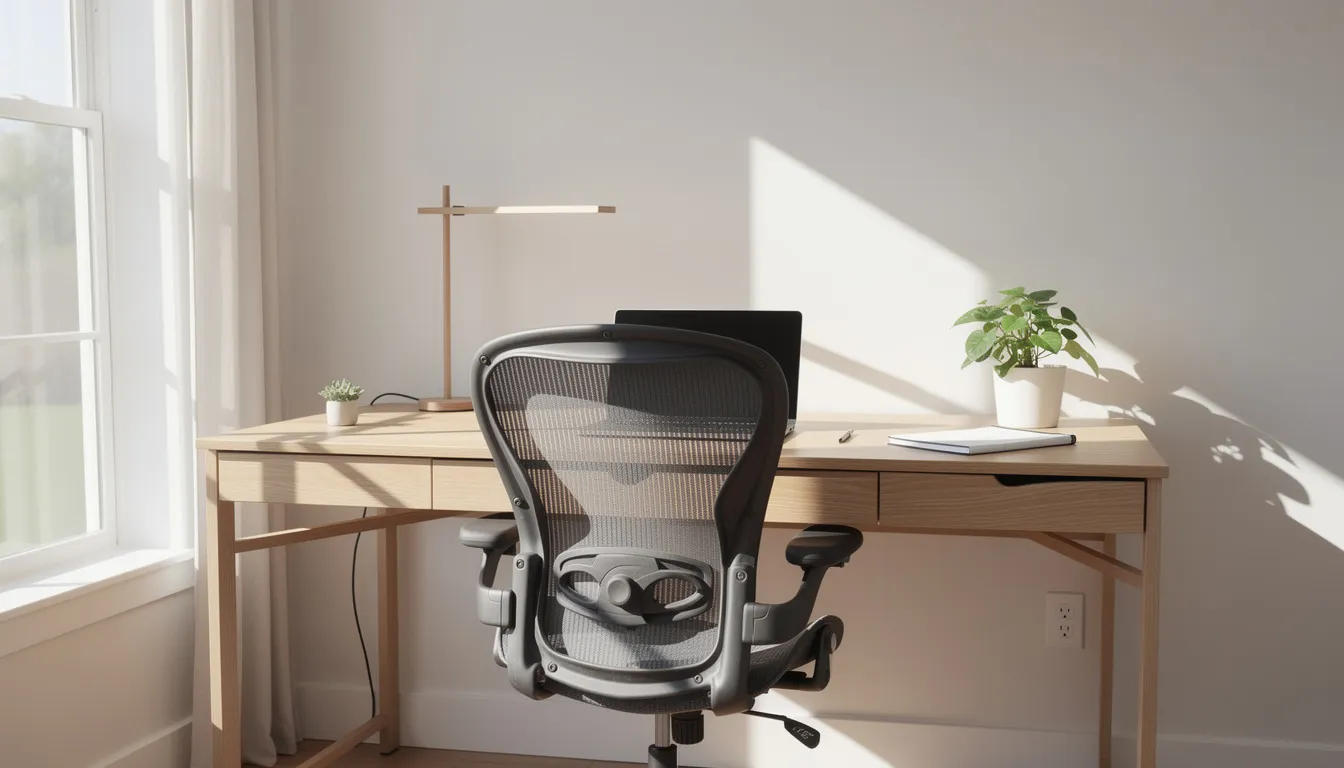
Office chairs with proper lumbar support mirror the natural curve of your spine, preventing the slouching that leads to back and neck pain. Look for chairs with adjustable armrests that allow your shoulders to relax while typing, and tilt mechanisms that let you shift positions throughout the day. Breathable mesh backs help dissipate heat during extended sessions, keeping you comfortable even after eight hours.
Height-Adjustable Desks for Posture Variety
A height-adjustable desk moves from around 70 cm sitting height to approximately 120 cm standing height, enabling sit-stand routines that reduce fatigue. Research suggests this kind of posture variation can cut musculoskeletal strain by allowing 20-30% more movement compared to static sitting.
Setting Up Your Workstation Correctly
Beyond choosing the right furniture, positioning matters:
|
Element |
Optimal Position |
|---|---|
|
Monitor |
Top of screen at or slightly below eye level |
|
Keyboard |
Elbows at 90 degrees, wrists neutral |
|
Feet |
Flat on floor or footrest |
|
Chair height |
Thighs parallel to floor |
For example, pairing a mesh-back chair with a 140 cm wide desk and a separate keyboard tray creates comfortable typing angles while keeping your screen at the correct height. These details make the difference between a workspace that supports you and one that slowly wears you down.
Office Desks and Work Surfaces
The right desk anchors your entire office setup. It sets the tone for organization and focus, providing the foundation where your daily work happens.
Comparing Desk Shapes
|
Desk Type |
Best For |
Typical Width |
|---|---|---|
|
Straight desk |
Narrow rooms, minimal setups |
100–160 cm |
|
L-shaped desk |
Corner use, multi-monitor setups |
150–180 cm combined |
|
Compact computer table |
Small apartments, guest rooms |
80–100 cm |
L-shaped desks excel in corner spaces, giving you room to spread documents on one side while keeping your main monitor centered. Straight desks fit against any wall and work well when floor space is limited.
Built-In Storage Options
Many desks integrate storage directly into their design:
-
Pedestal drawers for stationery and personal items
-
Locking file drawers for sensitive documents
-
Integrated shelves under wider surfaces for printers or reference materials
A 160 cm desk with a built-in pedestal keeps essentials within arm’s reach while maintaining a clutter free surface.
Finishes and Style
Your desk finish sets the visual tone of your workspace. White melamine tops create a clean, minimalist look. Walnut veneer adds warmth and pairs well with mid-century inspired decor. Black metal frames deliver an industrial edge that works in modern loft-style offices.
Cable Management
Nothing disrupts a polished workspace like tangled cords. Look for desks with:
-
Grommets for routing cables through the surface
-
Rear cable troughs that hide power strips
-
Clamp-on power bars that keep outlets accessible without visible wires
These features keep your work surface organized and ready for productive sessions.
Height-Adjustable and Standing Desks
Since around 2020, sit-stand desks have become standard in offices focused on employee well-being. The ability to shift between sitting and standing throughout the day counters the fatigue that comes from static positions.
Electric standing desks offer the most convenience. Many feature preset memory buttons that store your preferred sitting and standing heights—just press a button to adjust. Quality models support weight capacities around 100-120 kg, accommodating multiple monitors and equipment.
Manual crank desks provide a budget-friendly alternative. They take more effort to adjust but cost significantly less than motorized versions. Fixed-height standing desks work for dedicated standing stations but lack flexibility.
To support longer standing sessions:
-
Pair your desk with an anti-fatigue mat to reduce pressure on feet and legs
-
Add a drafting-height stool for moments when you need to rest without fully sitting
-
Plan power outlet placement before positioning a motorized desk against a wall
Desks for Small Spaces and Home Offices
Working from a bedroom corner or living room in a small city condo presents unique challenges. You need a desk that fits the space without making the room feel cramped.
Narrow desks around 100-120 cm wide with slim legs and shallow depths (45-60 cm) slide into tight corners without dominating the room. Wall-mounted fold-down desks fold flat when not in use, reclaiming floor space entirely. Ladder desks with integrated shelving combine work surface and storage in a single vertical footprint.
Mobile file cabinets on wheels slide under the desk when you finish working, freeing up floor space for the rest of your day. Choose desk finishes that match your existing living-room furniture to keep the room cohesive—this is especially important in studios where your office and living areas share the same space.
Office Chairs and Seating Comfort
A good office chair combined with correct seating height supports the long, focused work sessions that define productive days. Your chair is where you spend most of your working hours, making it one of the most important furniture investments you’ll make.
Key Chair Features to Consider
|
Feature |
Why It Matters |
|---|---|
|
Adjustable seat height |
Ensures feet rest flat on floor |
|
Lumbar support |
Maintains spine’s natural curve |
|
Tilt tension control |
Allows comfortable reclining |
|
Swivel base |
Provides easy access to different desk areas |
|
Quality casters |
Roll smoothly on carpet or hard floors |
Materials and Comfort
Breathable mesh backs suit warm rooms and long sessions by allowing air circulation. Fabric upholstery offers a softer feel and comes in a wide range of colors. Leather or faux leather creates an executive aesthetic and wipes clean easily.
For people who type or engage in gaming for several hours daily, look for headrests and 3D or 4D armrests. These armrests adjust in height, depth, width, and pivot angle, allowing you to find the exact position that keeps your shoulders relaxed.
Matching Chair to Space
In a compact home office, a low-profile chair fits under the desk and doesn’t overwhelm the room visually. In a spacious corner office, a high-back executive chair makes a statement while providing comprehensive support for the neck and upper back.
Choosing the Right Chair for Your Workday
Different work patterns call for different chair priorities:
-
2-3 hours daily use: A basic ergonomic chair with height adjustment and decent lumbar support meets most needs
-
Full-time remote work: Invest in advanced features like adjustable lumbar depth, headrest, and multi-dimensional armrests
-
Shared or studio offices: Choose chairs with wide adjustment ranges to fit different body types
Seat height matters more than most people realize. Most adults need a range around 42-52 cm. Test any chair with your feet flat on the floor and thighs parallel to the ground.
If you have existing back issues, prioritize advanced ergonomics over aesthetics. The comfort of proper lumbar support far outweighs the visual appeal of a stylish but unsupportive design.
For shared apartments or late-night work, look for chairs with quiet casters. Soft-wheel casters roll silently on hardwood or laminate floors, avoiding the rumbling noise that disturbs others.
When possible, try a chair in-store before purchasing. For online orders, check return policies carefully—especially if you’re placing orders weeks before a target date like December 30, 2025. If you're also considering other furniture needs, explore storage solutions like bookcases, cabinets, and credenzas to keep your office organized.
Storage: Office Cabinets, Bookcases and Shelving
Effective storage keeps paperwork, devices, and supplies off your desk and out of sight. When your workspace stays organized, your mind stays clearer, and you maintain focus on the work itself.
Cabinet Types Explained
|
Cabinet Type |
Best Use Case |
|---|---|
|
Vertical filing cabinets |
Letter and legal-size documents in deep drawers |
|
Lateral cabinets |
Wider files and binders in shallow, wide drawers |
|
Mobile pedestals |
Flexible storage on casters that moves with you |
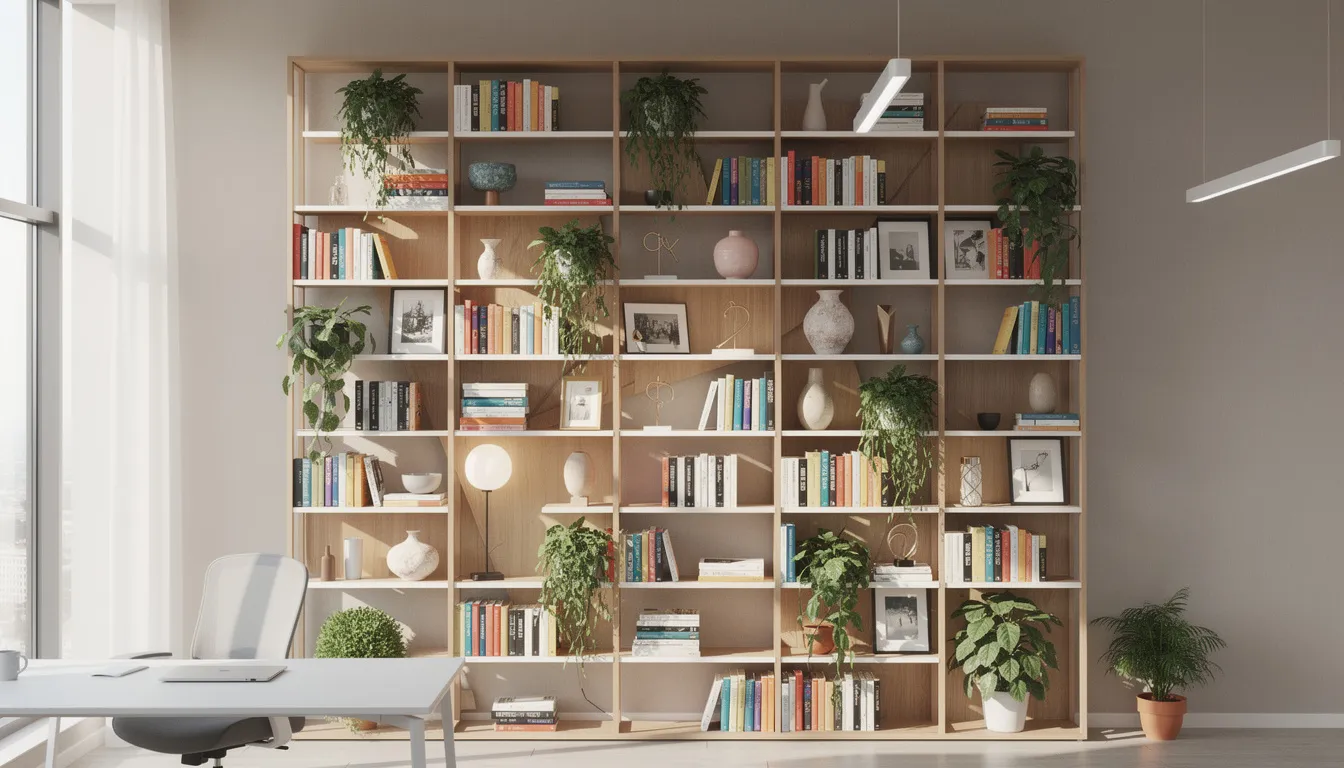
Bookcases and open shelving units serve double duty as storage and display. Use them for binders, reference books, plants, and framed certificates that personalize your space without cluttering your desk.
Practical Examples
-
Slide a 2-drawer filing cabinet under a 140 cm desk to keep documents within easy access
-
Place a 5-shelf bookcase beside a window for natural light on frequently referenced materials
-
Use closed cabinets to store clutter while reserving open shelves for decorative items that add inspiration
This mix of closed and open storage balances practicality with visual appeal, keeping your office functional and inviting.
Storage Solutions for Shared and Hybrid Offices
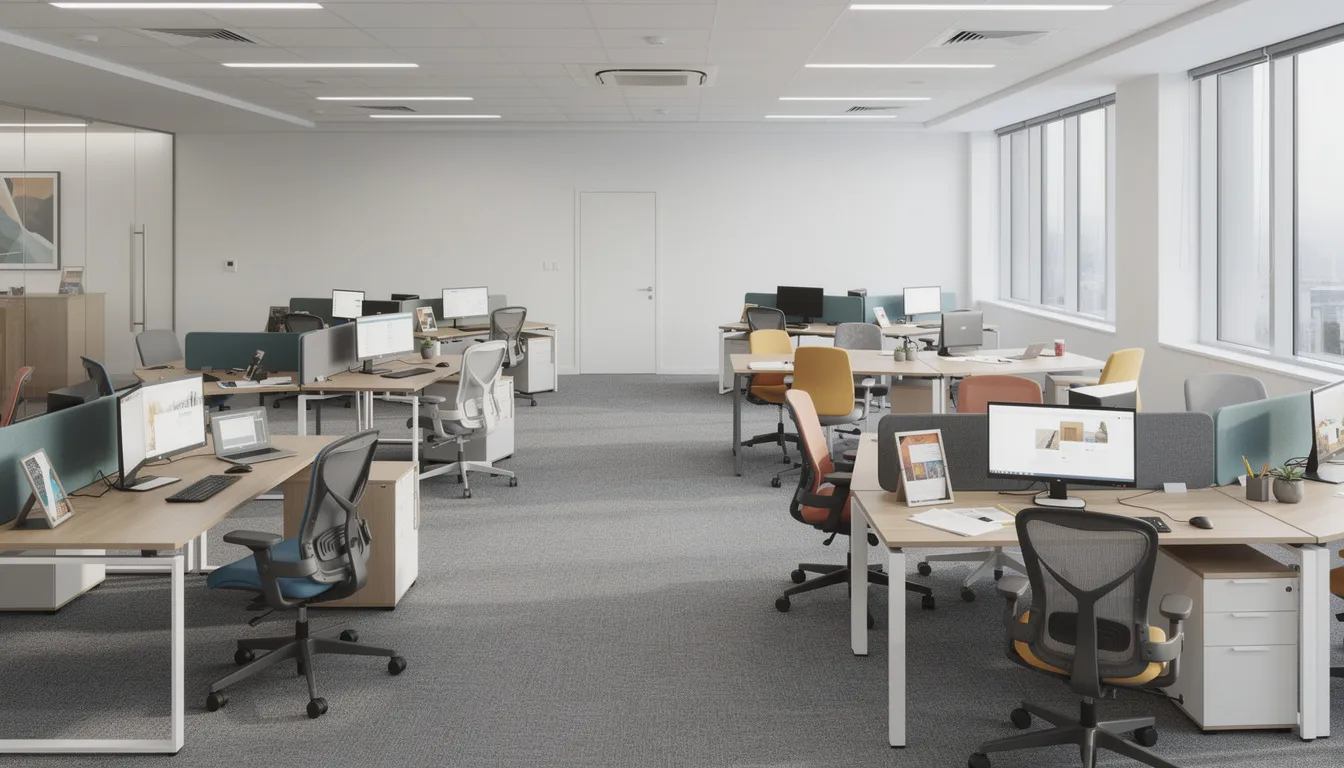
Hybrid offices with shared desks require flexible, mobile storage that adapts as teams change seating arrangements throughout the week.
Lockable mobile pedestals roll between desks, giving each team member personal storage regardless of where they sit. Labeled cubbies or lockers let people store keyboards, headsets, and notebooks overnight without leaving personal items on shared surfaces.
Modular shelving systems reconfigure as departments expand, adapting to your organization’s growth in 2025 and beyond. When selecting storage for shared environments, look for pieces that cater to varied needs while maintaining a consistent aesthetic across the floor.
For businesses moving toward paperless workflows, integrate digital storage (scanning and cloud filing) with a small selection of high-quality cabinets reserved for only the most critical paper files. This approach reduces furniture footprint while maintaining compliance for documents that require physical copies.
Office Furniture and Décor: Creating the Right Atmosphere
Décor and accessories complement functional furniture to improve mood and motivation. The visual environment you create influences how you feel about spending time in your workspace.
Building a Cohesive Look
Start by coordinating accessories with your existing furniture finishes:
-
Add plants that bring life and improve air quality
-
Choose task lamps that match your desk’s style
-
Select artwork that inspires without distracting
-
Use rugs to define the workspace area and add warmth
In open-plan offices and home work areas, acoustic panels and fabric screens help control noise. Soft furnishings absorb sound, making focused work easier when others share your environment.
Specific Styling Examples
Pair a walnut desk with a neutral-toned chair and a soft brass desk lamp for a warm, professional atmosphere perfect for evening video calls. Keep décor balanced—enough to feel stylish and inspiring, but not so much that surfaces become cluttered or visually overwhelming.
For a minimalist aesthetic, choose two or three meaningful decorative pieces rather than filling every shelf. A single statement plant, a quality clock, and one piece of artwork can create more impact than a dozen small items.
Lighting and Accessories for Productivity
Lighting affects eye strain, energy levels, and overall comfort during early-morning and late-afternoon work sessions. Poor lighting forces your eyes to work harder, leading to headaches and fatigue.
Adjustable LED desk lamps with color temperature control (ranging from 3000K warm to 5000K cool) let you match lighting to different tasks. Warmer light suits relaxed reading; cooler light promotes alertness during demanding work.
Accessories that enhance ergonomics:
-
Monitor arms position screens at eye level while freeing desk space
-
Laptop stands raise screens to prevent neck strain
-
Keyboard trays maintain proper wrist angles
Small organizational tools make a surprising difference:
-
Cable organizers keep cords tidy and accessible
-
Desk pads protect surfaces and define your working area
-
Drawer trays sort supplies so you can find items with ease
Position your desk near windows when possible to benefit from natural light. Use blinds or curtains to reduce glare on sunny afternoons—the extra step helps you enjoy daylight without struggling to read your screen.
Deals, Availability and Planning Ahead
Smart planning around key dates, promotions, and delivery timelines helps you avoid stock issues and get the furniture you want when you need it.
Pre-Ordering and Reservations
Some retailers allow advance reservations for popular items. If you’re setting up a new office or renovating, consider pre-ordering desks and chairs for specific dates to ensure everything arrives before your target move-in.
Lead Times and Stock Items
Ready-to-ship stock items typically arrive within 1-2 weeks. Custom finishes, specialized configurations, and large conference tables can require several additional weeks. Always check lead times before placing orders, especially for business-critical furniture.
Before You Order
Create a simple checklist:
-
Measure your room dimensions, including doorways
-
Note outlet locations for powered furniture
-
List required items by priority
-
Confirm delivery access (stairs, elevators, building restrictions)
-
Check return policies for online purchases
This preparation prevents costly returns and ensures every piece fits your space as intended.
Working with Office Furniture Specialists
Experienced suppliers and designers streamline larger office projects—such as selecting storage towers & lockers—saving you time and reducing errors that come from navigating complex purchases alone.
Office furniture experts offer:
-
Custom layouts based on your floor plan
-
Brand recommendations matched to your budget and style preferences
-
Coordinated delivery for multi-person offices across Canada
When furnishing entire floors, meeting rooms, or collaborative areas during 2025 office renovations, consultation services help you meet functional requirements while maintaining visual consistency.
Questions to ask providers:
-
What warranty coverage comes with each piece?
-
Do you offer assembly services?
-
Can you provide ergonomic assessments for staff?
-
May we visit your showroom to test specific chairs and desks?
Businesses can often review sample projects and explore options in person before committing. This hands-on approach builds confidence that your final selection will serve your team well. Ready to start building your new workspace? Connect with our team today!
For a full exploration of collaborative office design — including layouts, furniture selection, and workspace strategies that help teams perform at their best — explore The Complete Guide to Collaborative Working Spaces on Simplova.
FAQ
How much should I budget for a basic home office setup?
For a functional home office in 2025, plan for three core pieces: a desk in the $200–$500 range, an ergonomic chair between $250–$700, and storage (shelves or a file cabinet) from $150–$400. Accessories like lamps, monitor arms, and organizational tools add another $100–$300 depending on quality. A complete setup typically runs between $700 and $1,900, with flexibility to spend more on premium ergonomics or less by choosing value-focused brands.
What is the minimum space needed for a functional office corner?
A workable office nook fits into a space roughly 120 cm wide by 70 cm deep—enough for a compact desk and chair. Before choosing furniture, measure wall outlets, door swings, and window placement to avoid blocking access or creating awkward layouts. Fold-down desks and wall-mounted shelving help maximize extremely tight spaces where traditional furniture won’t fit.
Do I really need a height-adjustable desk if I already have a good chair?
A supportive chair is the first priority, but a height-adjustable desk helps break up long sitting periods and introduces posture variety that chairs alone can’t provide. If your budget is limited, start with a quality fixed desk and add a standing desk converter later. Upgrade to a full sit-stand desk when your budget allows—the combination of good chair and adjustable desk creates the most complete ergonomic setup. For optimal comfort, don't overlook the importance of proper desk lighting as part of your workspace.
What kind of chair is best if I share my workspace with someone else?
Look for chairs with wide adjustment ranges for seat height, armrests, and lumbar support to accommodate different body types. To further improve workplace comfort, consider adding ergonomic monitor arms to your workstation. Models with simple, clearly labeled levers make it easy for multiple users to reset the chair between shifts. Avoid chairs with fixed dimensions or complex adjustment mechanisms that only suit one person’s proportions.
How far in advance should I order office furniture for a new job or move?
Order core pieces like desks and chairs 3-6 weeks before a known start date, especially when planning around specific delivery windows. In-stock items may arrive faster, but custom finishes, specialized configurations, and large conference tables often require extra weeks. For time-sensitive moves, confirm delivery estimates before placing orders and have backup options ready if preferred items face delays.