


Waiting Room Furniture: A Practical Guide to Lounge Seating for Modern Offices
Key Takeaways
-
Waiting room furniture should balance comfort, durability, and brand image across reception areas, client lounges, and wellness spaces—first impressions start here.
-
Different lounge seating types serve different purposes: armchairs work best for solo guests, modular sofas handle groups, and high-back chairs create privacy in open lobbies.
-
Materials matter significantly in high-traffic zones; performance fabrics and vinyl offer easy clean options ideal for public-facing offices.
-
Concrete product examples—mid-back lounge chairs, configurable modular systems, and stackable ottomans—help illustrate how pieces perform in real office scenarios.
-
Planning for 1.5–2x your peak visitor count ensures adequate seating without overcrowding the space.
Introduction: Why Waiting Room Furniture Matters in 2026
Waiting room furniture is often the first physical touchpoint between your organization and the people who walk through your doors. That initial moment in the lobby shapes perceptions of professionalism, hospitality, and brand culture long before any meeting begins.
In 2026, hybrid work and wellness-focused design have transformed these spaces. Modern waiting rooms now double as touchdown zones for remote workers, informal meeting spots, and quiet nooks for focused work. This guide explores lounge seating examining where different furniture types fit across reception areas, client lounges, corridors, and breakout spaces. We’ll draw on real product examples available from our collections to help you discover what works best for your needs.
Reception furniture works best when it fits into the larger office plan. For help coordinating reception seating with workstations, meeting rooms, storage, and accessories, see our commercial office furniture buying guide.

Core Types of Waiting Room Lounge Seating
Not all waiting room chairs serve the same purpose. Understanding the distinct categories helps you create a space that meets both functional needs and visual appeal.
Lounge Armchairs provide ideal single-guest comfort in reception zones. Low-back and mid-back models with fabric upholstery and tapered metal legs offer a modern aesthetic while keeping guests comfortable during 15-45 minute waits. Seat heights around 17-19 inches make entry and exit easy for most people.
Two- and Three-Seat Sofas efficiently accommodate groups and families. Typically 60-84 inches in width with weight capacities of 600-900 pounds, these pieces suit law firms, clinics, and corporate lobbies where clients often arrive together.
Modular Seating Systems allow you to create L-shaped, U-shaped, or serpentine configurations without tools. Individual units connect and reconfigure as your office evolves—particularly valuable in coworking spaces across Canada.
Benches and Beam Seating serve different traffic levels. Upholstered benches with hardwood frames fit upscale executive lobbies, while beam-style seats with individual pads handle rapid turnover in public agencies.
Ottomans and Poufs provide flexible perching at 16-18 inches tall, doubling as impromptu tables in casual tech offices. Many models stack for easy storage when you need to reconfigure the space.
Privacy and High-Back Lounge Pieces create semi-private zones within open waiting areas. Chairs with 32-34 inch backs shield phone calls by 10-15 dB, allowing guests to relax while handling work.
Matching Furniture to Different Waiting Areas in the Office
The term “waiting room” encompasses more than just the front desk. Each zone has distinct requirements.
Reception and Lobby Entrances typically need 4-8 seats for small Canadian offices. A mix of lounge armchairs and sofas handles both solo visitors and small groups. Maintain 36-inch walkways for wheelchair access.
Client and Visitor Lounges benefit from deeper, residential-style reception chairs with 21-inch seat depths. Modular sofas facilitate 4-6 person groupings for informal conversations in consulting firms or design studios.
Wellness Waiting Rooms demand easy-to-clean antimicrobial vinyl, firm cushions (4-inch high-resiliency foam), and arm support. Seat heights of 18-19 inches help patients stand with less effort.
Internal Team Areas outside HR or meeting rooms suit compact benches and chairs that handle quick turnover. Consider playful colors that energize shorter waits.
Corridor and In-Between Spaces work well with narrow-profile chairs (22-inch widths) or wall-facing modular pieces that provide a perch without obstructing 42-inch minimum paths.

Design Considerations: Comfort, Ergonomics, and Flow
Waiting room furniture must remain comfortable over extended periods while allowing easy entry and exit for all ages.
Seat Height and Depth significantly impact comfort. Standard ranges of 16-19 inches in height and 18-21 inches in depth work for most settings. Shallower seats help in healthcare environments; deeper seats suit lounge areas in creative offices.
Lumbar and Arm Support through curved backs and contoured seats reduce fatigue. Armrests at 7-9 inches wide aid stand-up leverage—particularly important for clinics and government offices serving older populations.
Traffic Flow requires clear walkways of 36 inches minimum, with 60-inch turning radii for wheelchairs. Avoid tight clusters that bottleneck circulation.
Acoustic Comfort improves when soft, upholstered lounge seating absorbs sound in hard-surface lobbies. High-back chairs shield conversations effectively.
Flexibility through lightweight frames under 50 pounds and stackable ottomans lets staff reconfigure for events or seasonal changes, making adaptation easy.
Materials, Durability, and Maintenance
In high-traffic waiting rooms, material selection matters as much as design. Cleaning protocols remain a priority in 2026.
|
Material Type |
Best For |
Durability |
Maintenance |
|---|---|---|---|
|
Performance Fabric |
Corporate lobbies |
100,000+ double rubs |
Bleach-cleanable with moisture barriers |
|
Vinyl/Polyurethane |
Public offices |
Wipe-clean in seconds |
Requires UV stabilizers for longevity |
|
Genuine Leather |
Executive spaces |
10+ years with care |
Needs conditioning |
|
Faux Leather |
Budget-conscious lobbies |
5-7 years |
Easy wipe-down |
Frame Construction using kiln-dried hardwood or powder-coated steel supports 10+ year warranties. Avoid particleboard in busy reception areas.
Foam Density of 2.5-3.0 lbs/cu ft retains 90% of its shape after 100,000 compressions. Multi-layer foam constructions offer superior comfort for durable long-term use.
Cleaning Codes marked “W” or “WS” indicate water/soap cleaning compatibility. Darker or patterned grey fabrics hide stains better in commercial lobbies.
Sustainability through GREENGUARD Gold certifications and 50% recycled polyester fabrics aligns with ESG goals increasingly important in updated 2026 regulations.
Styling Your Waiting Room: Brand, Colour, and Layout
The look of your waiting room communicates brand and culture before any conversation starts, combining comfort and visual appeal.
Align Style with Brand: Clean-lined, minimalist lounge chairs suit tech startups. Classic tufted sofas fit legal and financial firms. Playful forms energize creative agencies.
Colour Strategy: Use neutrals like grey and taupe for 80% of base pieces. Layer brand identity through accent chairs, ottomans in navy or rust, and coordinating side tables.
Layout Patterns to consider:
-
Conversation groupings of 2-4 chairs around low tables
-
Linear rows along windows for quick seating
-
Zoned layouts separating short-stay and long-stay visitors
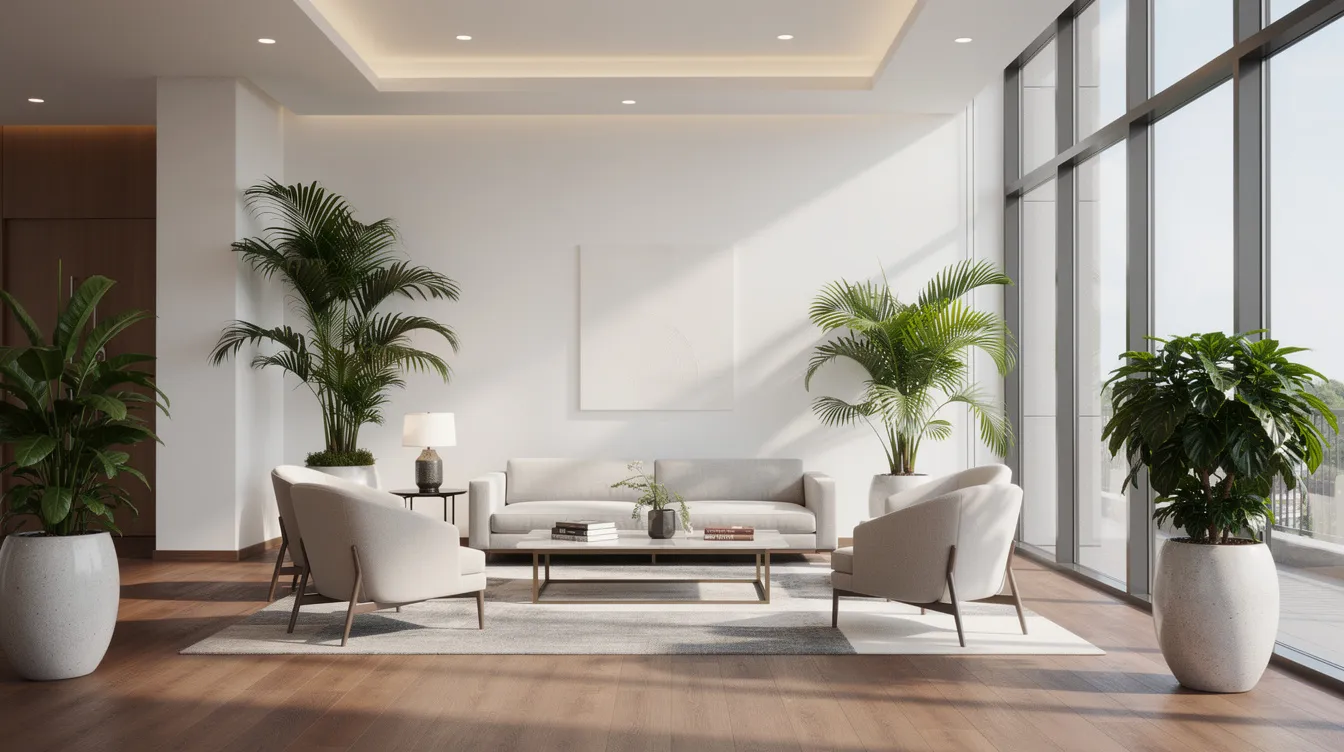
Side Tables should serve every second or third seat, offering surfaces for laptops or water. Pair lounge seating with floor lamps and planters to avoid a clinical look—hospitality-inspired aesthetics dominate modern workspace design.
Browse Our Lounge Seating Collection
The right lounge seating helps shape how your waiting room looks, feels, and functions. Whether you need a few reception chairs, a modular setup for a larger client lounge, or flexible seating for shared office spaces, choosing commercial-grade pieces makes a big difference in comfort, durability, and day-to-day performance.
Browse our lounge seating collection to explore reception chairs, sofas, modular seating, ottomans, and other modern options designed for professional spaces.
FAQs About Waiting Room Furniture
How much waiting room seating do I need for a small office?
Plan for 1.5-2x your peak visitor count. A 10-person dental practice with staggered bookings might need 6-8 lounge seats—perhaps 4 chairs plus a small sofa. Always include at least one clear space (36x60 inches) for wheelchairs or mobility devices rather than relying solely on fixed seating options.
What’s the best upholstery for high-traffic, easy-to-clean waiting rooms?
Vinyl, polyurethane, or performance fabrics rated for commercial use handle frequent cleaning best. Many 2026 textiles offer bleach-cleanable finishes with moisture barriers protecting the cushion core. Avoid very light colors unless your cleaning schedule supports them—darker models hide wear better.
How often should office lounge seating be replaced?
Quality commercial pieces last 7-10 years with proper care. Inspect annually for sagging cushions, loose joints, or wobbling frames. Budget for phased replacement rather than waiting for all other pieces to fail simultaneously. Reupholstering structurally sound frames offers a cost-effective alternative for premium spaces.
Can waiting room lounge furniture be used as informal workspaces?
Absolutely. Many modern lounge chairs accommodate laptop use comfortably when paired with nearby tables and power outlets. Consider high-back work lounge pieces with adjustable tablet arms for longer waits. This dual-use approach reflects how 2026 hybrid offices support on-the-go clients shopping for productive time between meetings.
How do I make a small waiting room feel more spacious?
Choose lounge chairs with slim arms and raised legs—visible floor space creates an airy feel. Use lighter, cohesive color palettes and keep sightlines open. Wall-mounted lighting and compact side tables free floor area, allowing you to find room for adequate seating without crowding. This approach helps your place work harder within its footprint.